 عربي
عربي English
 Русский
 Español
-

البريد الإلكتروني : rae.w@feilong-group.com
-

تل : +86 188 2526 5625
-

عنوان : Anhui, Hefei, China


البريد الإلكتروني : rae.w@feilong-group.com
تل : +86 188 2526 5625
عنوان : Anhui, Hefei, China
المدونة
بالنسبة لمشغلي المطارات، ومقاولي الإنشاءات المدنية، وسلطات الطيران، تُعدّ البنية التحتية للمدرج أصولاً تخضع لرقابة صارمة، حيث لا مجال لأي خلل في المواد. فأسفل المساحة المسطحة من الخرسانة والإسفلت، تكمن شبكة حيوية من الأسلاك الكهربائية، والألياف الضوئية، وأنظمة الصرف، وإضاءة المدرج المتخصصة.
يتطلب الحفاظ على شبكة المرافق تحت الأرض هذه نقاط وصول قادرة على تحمل الأحمال الديناميكية القصوى. عندما يضع مهندسو الإنشاءات المدنية مواصفات هذه الأرصفة، فإن الشرط الأساسي هو غطاء فتحة تفتيش من الحديد المطاوع بفضل قوتها الشدية الفائقة، ومرونتها الدقيقة، ومقاومتها للصدمات المفاجئة. مع ذلك، في قطاع الطيران عالي المخاطر، لا تكفي المواد المستخدمة في البلديات. يجب أن تتضمن الأغطية المصممة خصيصًا للطيران سلسلة من التفاصيل الأمنية والهندسية المعقدة لضمان الامتثال للمعايير وتخفيف المخاطر الكارثية.
فيما يلي شرح فني لآليات السلامة الخفية التي تؤثر على قرارات الشراء لأغطية مدرج المطارات.
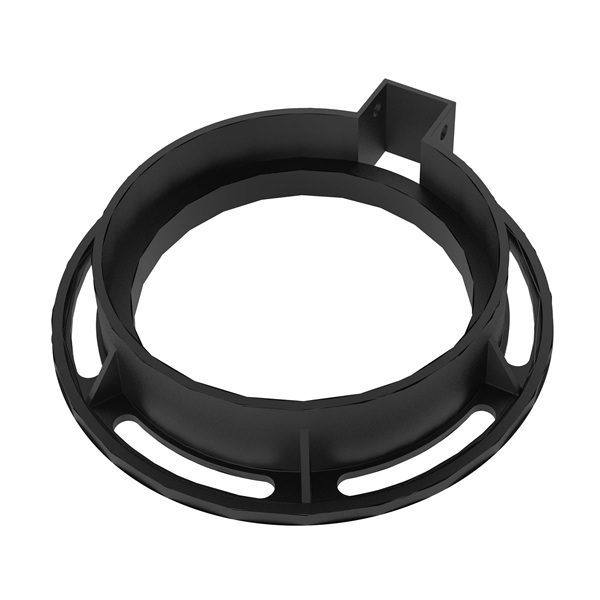
في صناعة الطيران، تُمثل الأجسام الغريبة (FOD) مسؤولية جسيمة. فأي جسم سائب - من مسمار طائش إلى رصيف مكسور - يمكن أن يدخل إلى محرك الطائرة النفاثة أثناء السير على المدرج أو الإقلاع، مما قد يؤدي إلى تدمير شفرات الضاغط والتسبب في خسائر في المعدات بملايين الدولارات أو حالات طوارئ خطيرة.
لا تُعدّ أغطية الشوارع التقليدية، التي تحتوي على فتحات للفك أو فتحات تهوية أو فجوات لرفع معدات عمال الصيانة، مقبولة في بيئة المطارات. فهذه الفجوات تحبس الحجارة المتناثرة، وتتراكم فيها الثلوج، كما تسمح بسقوط القطع المعدنية الصغيرة أثناء هبوب الرياح العاتية. يجب أن تتميز ألواح الوصول في المطارات بسطح صلب غير مثقوب تمامًا. وهي مصممة هندسيًا لتكون مستوية تمامًا مع الرصيف المحيط، باستخدام أخاديد رفع مخفية ومحكمة الإغلاق تتطلب مفاتيح خاصة، مما يضمن بقاء السطح سليمًا من الناحية الهيكلية.
قد يصل وزن طائرة تجارية محملة بالكامل، مثل طائرة بوينغ 777، إلى أكثر من 300 طن. وتتطلب قوة الصدمة الديناميكية التي تنتقل عبر عجلات الهبوط عند ملامسة الأرض أن يمتص الرصيف والبنية التحتية المدمجة موجات الصدمة الهائلة دون انحراف أو تشقق.
ولتجنب الانهيار الهيكلي، تنص معايير السلامة الدولية للطيران على تركيب نظام متخصص غطاء فتحة صرف صحي شديد التحمل تم اختبارها وفقًا لأعلى مستوى من قدرة تحمل الأحمال: EN124 F900. وللحصول على هذه الشهادة، يجب أن تتحمل الوحدة حمل اختبار يبلغ 900 كيلونيوتن (يدعم ما يقرب من 90 طنًا من الضغط الساكن).
يُعدّ الحديد المطاوع المادة الأمثل لهذا المعيار. فعلى عكس الحديد الزهر الرمادي الهش، يُعالج الحديد المطاوع بالمغنيسيوم، مما يُغيّر بنيته الجرافيتية من رقائق إلى عُقيدات. وهذا يُكسبه متانة الفولاذ مع الحفاظ على مقاومة الحديد للتآكل، مما يسمح له بامتصاص الصدمات الشديدة والعودة إلى شكله الأصلي.
يمثل التعامل مع المعدات المصنفة F900 تحديًا لوجستيًا لفرق الصيانة نظرًا لوزنها الثقيل المصنوع من حديد مطاوع عالي الجودة. يجب على المهندسين تحديد آليات التغطية بناءً على الموقع الاستراتيجي لنقطة الوصول.
تعتمد كفاءة مكابح الطائرة بشكل كبير على احتكاكها بالمدرج. خلال الأحوال الجوية السيئة أو عمليات إزالة الجليد، تعمل الأسطح المعدنية الملساء كعوامل خطرة عديمة الاحتكاك، مما قد يتسبب في فقدان الإطارات للتماسك أو تآكلها بشكل غير متساوٍ.
ولمنع ذلك، تُصنع أغطية شديدة التحمل بنقوش دقيقة مانعة للانزلاق. تعمل هذه النقوش المصممة هندسيًا على تصريف المياه بسرعة مع الحفاظ على احتكاك مستمر مع إطارات الطائرات. علاوة على ذلك، تُعالج هذه الوحدات بدهانات بيتومينية أو راتنجات إيبوكسية متخصصة مضادة للتآكل لتحمل المركبات الكيميائية شديدة التأثير المستخدمة في إزالة الجليد في فصل الشتاء، مما يمنع الأكسدة المتسارعة.
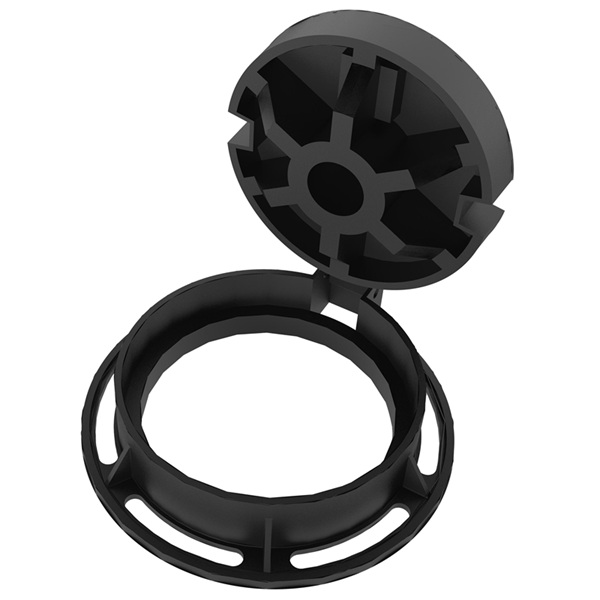
في الهندسة الإنشائية، توفر المسافات الأصغر مقاومة أعلى للأحمال. تبلغ المساحة القياسية لفتحات إضاءة المدرج 300 × 300 مم. بتقليل مساحة السطح، يقلل المهندسون كمية المعدن المعرضة لقوة الضغط المباشر لإطار الطائرة. يعمل هذا البُعد الصغير هيكليًا كعمود مُدعّم بدلًا من جسر ضعيف، مما يضمن الحفاظ على تصنيف F900 بهامش أمان عالٍ على مدى عقود من العمر الافتراضي.
الحصول على الصحيح غطاء فتحة تفتيش مدرج المطار إنها أكثر بكثير من مجرد استيفاء قائمة التحقق الأساسية للبناء؛ إنها استثمار في السلامة التشغيلية طويلة الأجل والحد من المخاطر. من هياكل الجرافيت العقدية المجهرية إلى تصنيفات الوزن الصارمة F900 والعزل المقاوم للحطام، تُشكل هذه الأصول الهندسية الأساس المتين للبنية التحتية الحديثة للطيران.

Add: Hanshan Industrial Area ( Lintou ), Maanshan City, Anhui Province, China



من فضلك تابع القراءة، ابق على اطلاع، اشترك، ونحن نرحب بك لتخبرنا برأيك.
حقوق النشر
© 2026 Anhui Feilong New Material Co., Ltd جميع الحقوق محفوظة
.
خريطة الموقع
|
المدونة
|
Xml
|
سياسة الخصوصية
 الشبكة المدعومة
